Container Quality & Condition Guide

Shipping Container Conditions Explained

Understand the differences between new, used, cargo-worthy, wind and watertight, refurbished, and as-is shipping containers. At Moving Shipping Containers, we want customers to understand how container conditions can affect appearance, functionality, suitability, and overall value.

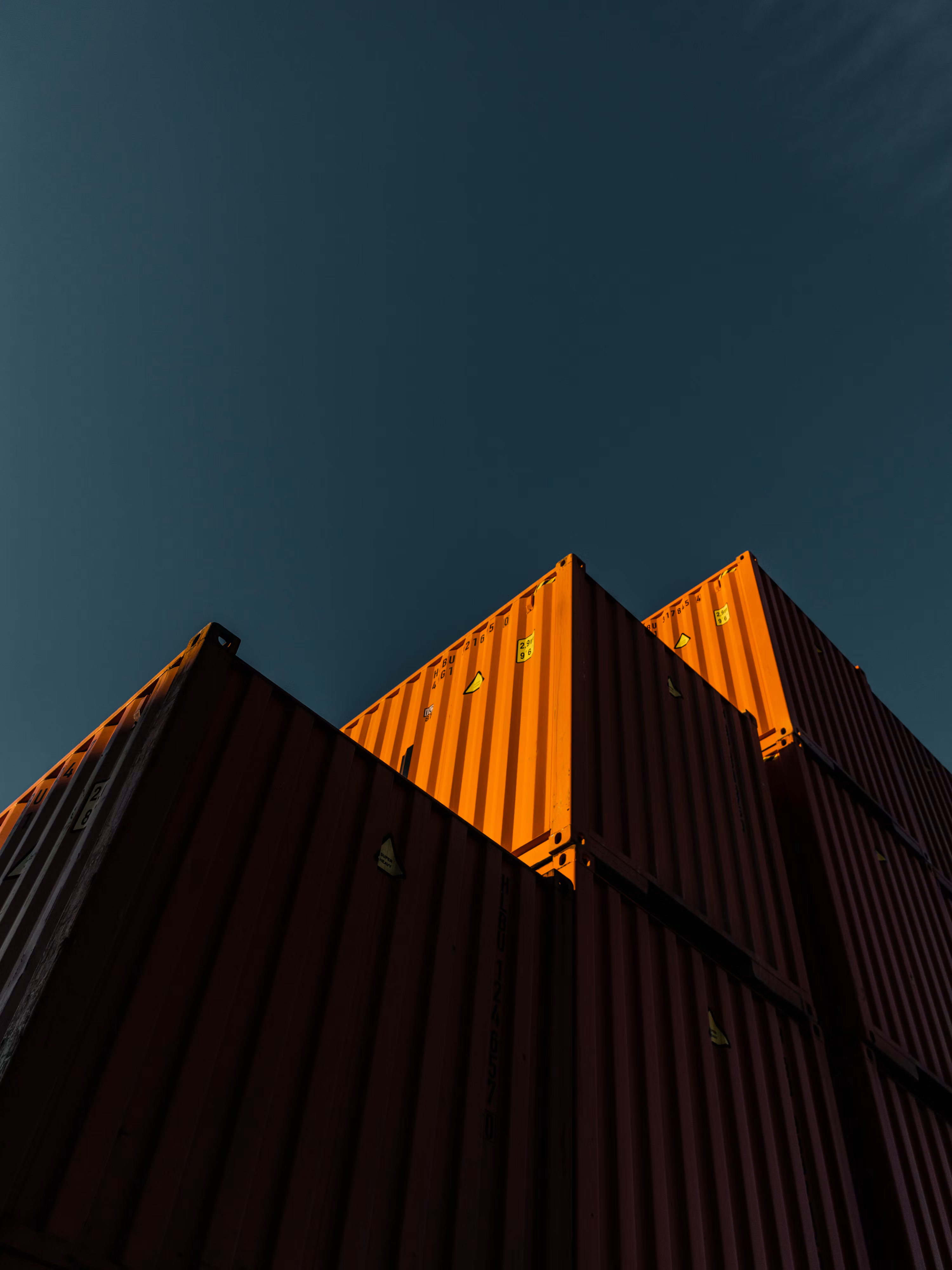
Shipping containers in an industrial storage facility
New • Used • Cargo Worthy • WWT
Before You Buy

What Are Shipping Container Conditions?

Shipping container conditions are descriptions used to communicate the physical state, previous use, visible wear, and suitability of a container for particular applications.

A shipping container may be relatively new, previously used for freight, repaired, repainted, or sold in its existing condition. These differences can influence the container's price, appearance, maintenance needs, and potential uses.

Condition descriptions help customers compare products, but they should never replace an examination of the individual unit.

Before buying, review the listing, confirm the intended use, and request clarification about the container's actual condition.

Why Container Condition Matters

  • Determines suitability for storage or cargo transport.
  • Helps you compare new and pre-owned containers.
  • Affects cosmetic appearance and maintenance requirements.
  • Helps identify the need for repairs or modifications.
  • Influences purchase price and overall project costs.
  • Highlights safety and inspection documentation to verify.
Container Condition Categories

Common Shipping Container Conditions & Grades

The following terms are widely used within the shipping container market. Actual seller grading criteria can vary, so always confirm the condition of the specific container offered for sale.

CONDITION 02

IICL-Standard Containers

IICL refers to the Institute of International Container Lessors. In the container market, the term commonly describes used containers assessed or repaired against specified IICL inspection criteria. These criteria are often associated with leasing-industry maintenance and repair practices.

Common Applications Buyers seeking used equipment assessed to defined inspection or repair criteria.
CONDITION 03

Cargo Worthy Containers

Cargo Worthy (CW) describes containers considered structurally suitable for carrying cargo. Cosmetic dents, surface rust, and signs of previous use may be present. International freight use requires separate verification of applicable CSC approval and examination status.

Common Applications Freight applications where requirements are met, commercial storage, and industrial projects.
CONDITION 04

Wind & Watertight (WWT)

Wind and Watertight containers are generally described as units intended to prevent normal weather from entering through the roof, walls, and closed doors. They may show dents, surface corrosion, paint wear, and other cosmetic imperfections.

Common Applications Stationary storage, construction equipment, household belongings, and general storage.
CONDITION 05

Refurbished Containers

Refurbished containers are previously used units that have undergone selected repairs, maintenance, repainting, or cosmetic improvements. The extent of refurbishment differs between sellers and individual containers. Repainting alone does not prove structural soundness.

Common Applications Storage and business projects where an improved exterior appearance is desired.
CONDITION 06

As-Is Containers

As-Is containers are offered in their existing physical condition. They may have significant wear, leaks, corrosion, damaged doors, compromised flooring, or structural defects. Their suitability should not be assumed without inspection.

Common Applications Repair projects, parts, noncritical uses, or specialist conversions following assessment.

Compare Before Purchasing

Shipping Container Condition Comparison Chart

Use this comparison as a general guide when considering different container conditions. Actual quality, price, certifications, and usability must be confirmed for each unit.

Condition Typical Appearance Previous Use Common Application Main Consideration
New / One-Trip Relatively clean; minor handling wear possible Limited freight use Storage and appearance-sensitive projects Confirm exact unit condition and new/one-trip definition
IICL Used; condition evaluated against stated criteria Previous freight or leasing use Projects requiring defined used-container inspection criteria Request the inspection standard and documentation
Cargo Worthy Used with cosmetic wear Previous freight service Cargo transport where approved, storage, industrial use Verify actual condition, CSC status and examination
Wind & Watertight Used; dents and surface rust possible Previous service varies General stationary storage Confirm weather resistance and door seals
Refurbished Variable; may be repainted Previously used Storage or customized applications Confirm what repairs were completed
As-Is Variable; defects may be substantial Varies Repair or specialist projects Inspect defects and estimate repair costs

Note: Refurbished describes work performed on a container rather than a universally defined condition grade. IICL terminology also depends on the criteria and inspection scope specified by the seller.

In-Depth Buying Information

What Each Container Condition Means for Buyers

New / One-Trip

Ideal for Buyers Prioritizing Appearance

One-trip containers are commonly selected when customers prefer relatively clean exterior panels, limited wear, and a more recent manufacturing history.

Check: Manufacturing date, previous use, door operation, paint marks, flooring, and any transport or handling damage.

IICL Criteria

Used Containers With Defined Inspection Criteria

IICL inspection standards are commonly used within container leasing and maintenance operations. A seller's IICL description should identify the criteria applied and the condition or repair assessment provided.

Check: Applicable inspection criteria, survey documentation, structural condition, and repair records where available.

Cargo Worthy

Structural Suitability Matters

Cargo Worthy containers may retain significant cosmetic wear while being considered suitable for carrying cargo. This trade description should not be treated as a substitute for current regulatory approval.

Check: Roof, frame, corner castings, doors, flooring, inspection history, and CSC requirements for freight use.

Wind & Watertight

A Practical Option for Static Storage

WWT containers are often considered for storage projects where protection from normal rain and wind is important. They may be older and have cosmetic imperfections.

Check: Roof integrity, door gaskets, holes, water staining, floor condition and drainage. WWT is not proof of freight eligibility.

Refurbished

Understand the Scope of Repairs

Refurbishment may include surface preparation, painting, rust treatment, replacement seals, flooring repairs, or mechanical adjustments.

Check: Which components were repaired, whether structural defects remain, workmanship, and any written warranty terms specifically offered.

As-Is

Inspect Carefully Before Committing

An As-Is unit may require substantial repairs before it becomes suitable for storage or other practical uses. It should not be assumed to be weather resistant or structurally suitable.

Check: All known defects, repair costs, intended use, applicable sales terms, and whether professional assessment is necessary.

Shipping container facility illustrating container inspection considerations
Before Purchasing

Shipping Container Inspection Checklist

Before purchasing any used shipping container, review its condition and request current photographs of the actual unit when possible. An independent inspection may be appropriate for higher-value purchases or specialized uses.

  • Check the roof for holes, corrosion and significant dents.
  • Examine exterior walls and corner posts.
  • Inspect flooring for rot, damage and contamination.
  • Test doors, locking bars and hinges.
  • Review door gaskets and weather seals.
  • Check for water stains, leaks and strong odors.
  • Examine the underside where safely accessible.
  • Check signs of welding, patches and previous repairs.
  • Confirm dimensions and container identification.
  • Verify documentation required for the intended use.
Find the Right Match

Which Shipping Container Condition Should You Choose?

The most suitable condition depends on how you plan to use the container, your budget, and the importance of appearance, weather protection and structural performance.

Residential Storage

A verified Wind & Watertight or better-condition unit may suit general household storage needs. Consider moisture control and the sensitivity of stored items.

Business & Construction

Used Cargo Worthy or verified WWT containers may be practical for tools and equipment storage, subject to condition and site needs. Choose according to the contents and intended loads.

International Freight

Select a suitable container with the required safety approval, examination status and structural condition for the journey. Confirm carrier and regulatory requirements before shipment.

Container Conversions

New/One-Trip or structurally suitable used units may provide a starting point. Any modifications for offices, shops or occupancy require appropriate design and regulatory review.

Important: Container Condition Is Not the Same as CSC Certification

The International Convention for Safe Containers (CSC) establishes safety approval and examination requirements for containers used in international transport. A container advertised as Cargo Worthy does not automatically prove that its CSC documentation and examination status are current.

Where CSC requirements apply, buyers should verify the safety approval plate, applicable examination markings, physical condition and carrier requirements.

Refurbishment, repainting and Wind & Watertight descriptions do not by themselves establish certification or freight eligibility.

Learn more from the International Maritime Organization (IMO) .

Buy With Better Information

How to Choose and Buy Shipping Containers Online

Follow these steps to compare container conditions and make an informed purchase through Moving Shipping Containers.

01

Identify Your Intended Use

Determine whether your container is needed for storage, transportation, construction, or another application.

02

Compare Conditions

Consider the differences between new, used, Cargo Worthy, WWT, refurbished and As-Is units.

03

Review the Actual Unit

Check product descriptions, photos, specifications, known defects, documentation and delivery arrangements.

04

Confirm and Order

Review pricing, payment instructions, delivery requirements and applicable sales terms before ordering.

Frequently Asked Questions

Shipping Container Condition FAQs

What does One-Trip shipping container mean?

A one-trip container is generally a relatively new container that has made a limited freight journey after manufacture. Minor transportation or handling marks may still be present.

What is the difference between Cargo Worthy and Wind & Watertight?

Cargo Worthy refers to structural suitability for carrying cargo, subject to relevant checks and transport requirements. Wind & Watertight describes weather resistance and is commonly used for static storage. WWT alone does not establish cargo-transport suitability.

Are used shipping containers reliable?

Used containers can be practical for many storage and commercial applications, depending on their actual condition. Inspect the roof, doors, flooring, walls, seals, corrosion and repairs before purchasing.

What does IICL mean?

IICL stands for the Institute of International Container Lessors. In the container industry, IICL terminology generally refers to defined inspection and repair criteria used in leasing operations. Ask the seller which criteria and inspection evidence apply.

Can Wind & Watertight containers be used for international shipping?

The WWT label alone is not sufficient to establish international freight suitability. The container must meet applicable structural, CSC, examination and carrier requirements.

Is a refurbished container the same as a new container?

No. A refurbished container is normally a previously used unit that has received selected maintenance, repairs or cosmetic improvements. Its previous service history is not erased by refurbishment.

Are As-Is containers always watertight?

No. As-Is containers may have leaks, holes, worn seals or structural damage. Weather resistance should never be assumed without an appropriate assessment.

Can shipping containers have rust?

Yes. Surface rust and cosmetic wear are common on older containers. However, severe corrosion, perforation and structural deterioration may affect suitability and should be assessed carefully.

Which condition is suitable for residential storage?

A verified Wind & Watertight or better-condition unit may suit many residential storage needs. Consider ventilation, humidity, stored contents, access and local placement rules.

Should I inspect a container before buying?

Yes, whenever practical. Ask for photographs of the actual container, a written condition description and inspection information. Consider an independent professional inspection where appropriate.

Does a CSC plate mean a container is currently approved for shipping?

Not necessarily. The safety approval plate is important, but the applicable examination status and actual physical condition must also satisfy the relevant requirements.

Where can I buy new and used shipping containers online?

Explore the available container listings at Moving Shipping Containers. Visit the online shop to review products, or contact our sales team with questions about container condition and suitability.

Find the Right Shipping Container for Your Needs

Whether you're considering a new shipping container, a used Cargo Worthy unit, or a Wind & Watertight storage container, Moving Shipping Containers offers a convenient way to explore available listings and enquire about the right solution.

This conditions guide provides general purchasing information. Condition labels, unit availability, repair history, certifications, warranties and delivery arrangements should be confirmed for the specific container being purchased.